













Teknic homepage

Replacing AC Induction Motors and VFDs with ClearPath Servos

No person or company received any form of compensation for their feedback on Teknic products.

Lincoln Electric is a global leader in the design, development, and manufacture of arc welding products, automated joining, assembly and cutting systems, and plasma and oxy-fuel cutting equipment. For their engineering teams, building sophisticated automation systems requires components that balance high performance with compact form factors.

Gurpreet Jandu, Engineering Manager–Automation at Lincoln Electric, recently evaluated the motion control architecture for their systems. Historically, these applications relied on AC induction motors driven by Variable Frequency Drives (VFDs). While functional, this traditional architecture presented challenges regarding control panel real estate and mechanical diagnostics.

"We can make our panels more compact with Teknic motors. Especially the AC motors, there’s not much required other than putting a circuit breaker in-line. From that regard, it is a very good product."
Gurpreet Jandu
Engineering Manager–Automation, Lincoln Electric

Reclaiming Panel Space

A primary driver for switching to Teknic’s servo systems was the reduction of electrical cabinet complexity. Traditional AC induction systems require significant support hardware, including VFDs and large contactors, which consume valuable panel space.

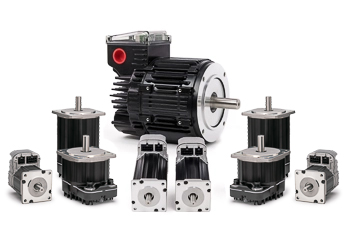
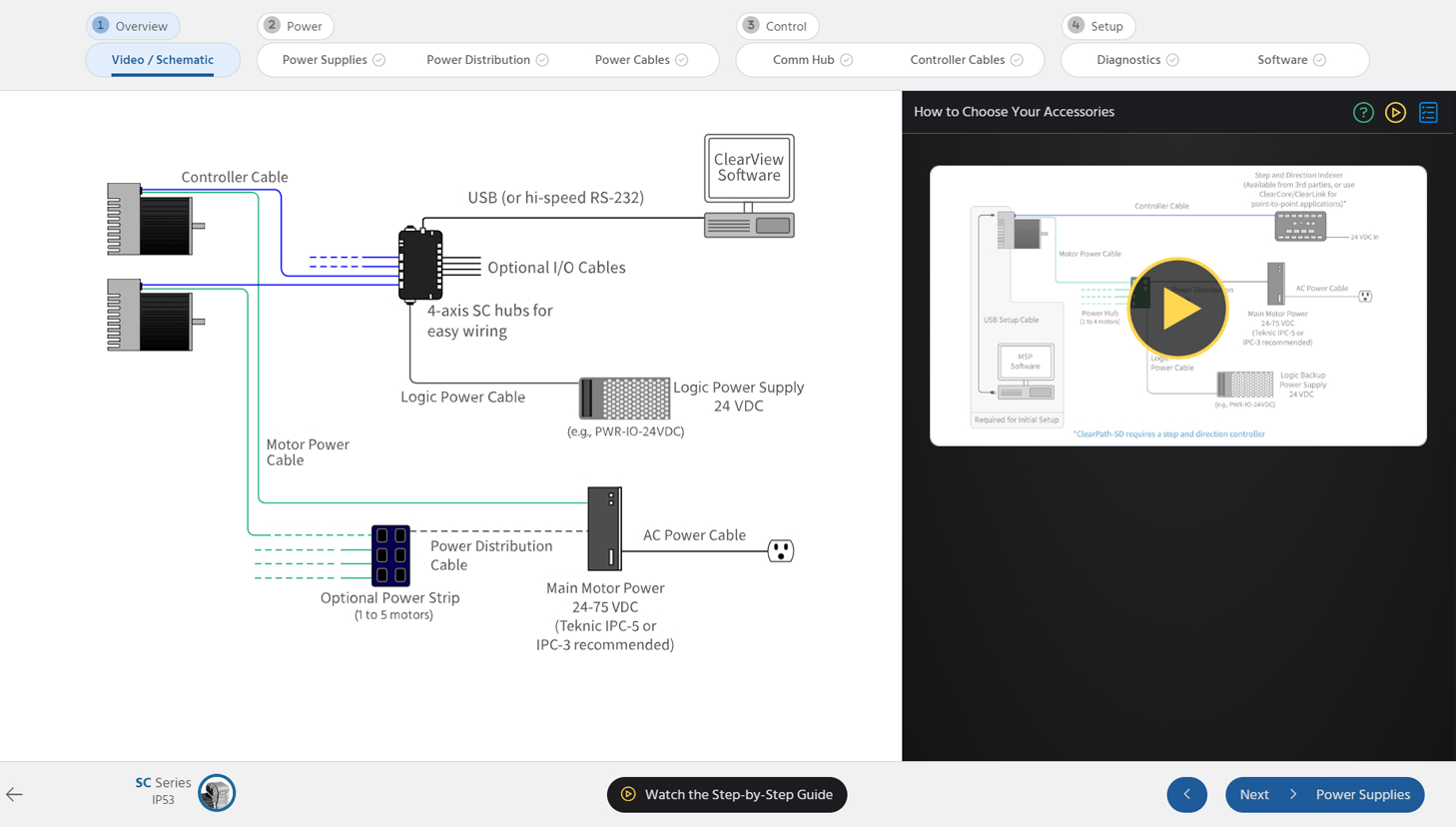
By adopting ClearPath integrated servos, which combine the motor, drive, and controller into a single unit, Lincoln Electric streamlined their electrical design.

"ClearPath is similar in price [to AC induction motor systems]. The thing is, if you are using AC induction motors, you have to use big, in-line contactors, a VFD and all of the added circuitry that takes up more space," explains Gurpreet. "We can make our panels more compact with Teknic motors. Especially the AC motors, there’s not much required other than putting a circuit breaker in-line. From that regard, it is a very good product."

High Power in a Smaller Footprint

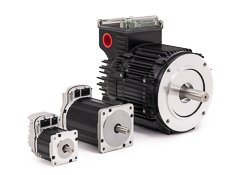
Beyond the electrical panel, the physical size of the motors at the actuator point was a critical factor. Gurpreet found that ClearPath servos offered superior power density compared to standard AC motors. This allowed the team to deliver high torque without accommodating the larger frame sizes typically required by induction motors.

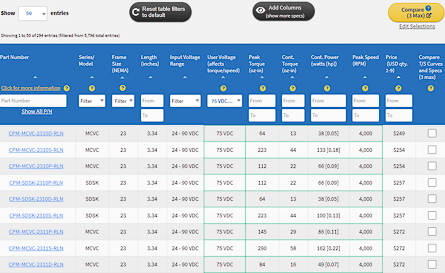
"The motors are really good for a small motor size if you compare apples to apples," says Gurpreet. "Like a NEMA 56 frame servo, you can get quite a bit of power. While for [a standard] AC motor, you might have to go to a larger NEMA frame to get the same sort of power."

Gurpreet notes that the performance headroom is significant: "Sometimes you need peak torque, which Teknic motors can deliver. In a smaller footprint, you can go up to 4 HP [actually 7.74 HP] which is very impressive."

Improved Diagnostics and Configurability

Switching to a servo-based system also provided Lincoln Electric with deeper insights into machine mechanics. While VFDs generally limit feedback to simple current monitoring, ClearPath software offers rich telemetry. This transparency allows engineers to "see" what the motor is experiencing, making it easier to identify and troubleshoot mechanical issues like bind or excessive friction.

"In the past, we used to use Variable Frequency Drives. With Teknic’s Motor Setup Program, there are much easier visuals, which have made it simpler for us to diagnose issues," says Gurpreet. "A lot of the diagnostics help us ensure the mechanics are working properly."

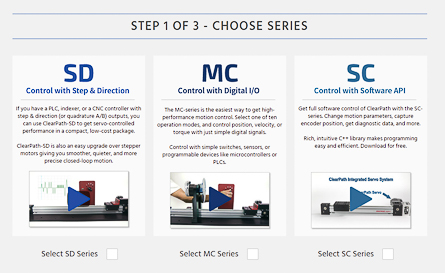
Additionally, the software-defined nature of the ClearPath-MC velocity control models (MCVC) allowed for rapid adjustments without mechanical intervention. "We can configure whatever mode we want, and all of the speed settings can be configured in the software," notes Gurpreet. "If I need to lower the speed, I don't need to change anything. I can just go on the software and change those speeds."

"In the past, we used to use Variable Frequency Drives. With Teknic’s Motor Setup Program, there are much easier visuals, which have made it simpler for us to diagnose issues. A lot of the diagnostics help us ensure the mechanics are working properly."
Gurpreet Jandu
Engineering Manager–Automation, Lincoln Electric

Future Outlook: Evaluating EtherNet/IP™

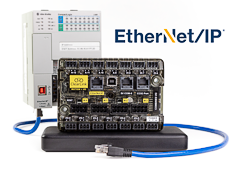
Looking forward, Lincoln Electric is exploring Teknic’s ClearPath-IP models to further enhance their machine connectivity. Gurpreet is particularly interested in ClearPath-IP’s capability to access certain data directly over the network, such as reading internal motor position and specific fault codes.

"I'm excited to learn about this product," says Gurpreet regarding the new EtherNet/IP™ functionality. "I think this will be very useful for us."

Key Outcomes

  • Reduced Panel Footprint: Eliminated VFDs, large contactors, and external circuitry by utilizing integrated servos.
  • Higher Power Density: Achieved necessary torque/power in a NEMA 56 frame, replacing larger AC induction motor frame sizes.
  • Enhanced Diagnostics: Improved ability to troubleshoot mechanical issues using software "visuals" rather than just monitoring current.
  • Software Flexibility: Ability to reconfigure control modes and speed settings instantly without hardware changes.
Explore Teknic Products
Learn more about Teknic's industrial motion control products. Easily access 2D and 3D part drawings, manuals, software downloads, pricing, and specifications.
Learn More
Speak with an engineer
To speak directly with one of Teknic's experienced factory-direct engineers, fill out the brief contact form linked below and we will contact you soon.
Contact Teknic
Share / Save Cart