
















CONMED is a global medical technology company that specializes in the development and sale of surgical and patient monitoring products. Within their Research and Development (R&D) labs, engineers design sophisticated test fixtures to validate the reliability of life-saving medical devices, such as gastrointestinal (GI) catheters.
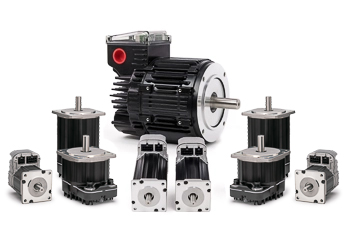
ClearPath All-In-One Servos
ClearPath Overview
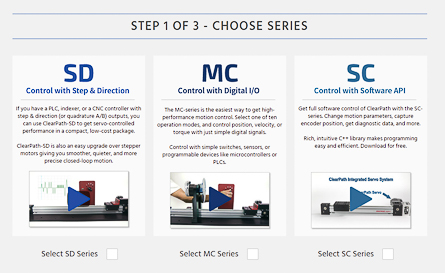
Choose Series
Motor Selection Guide
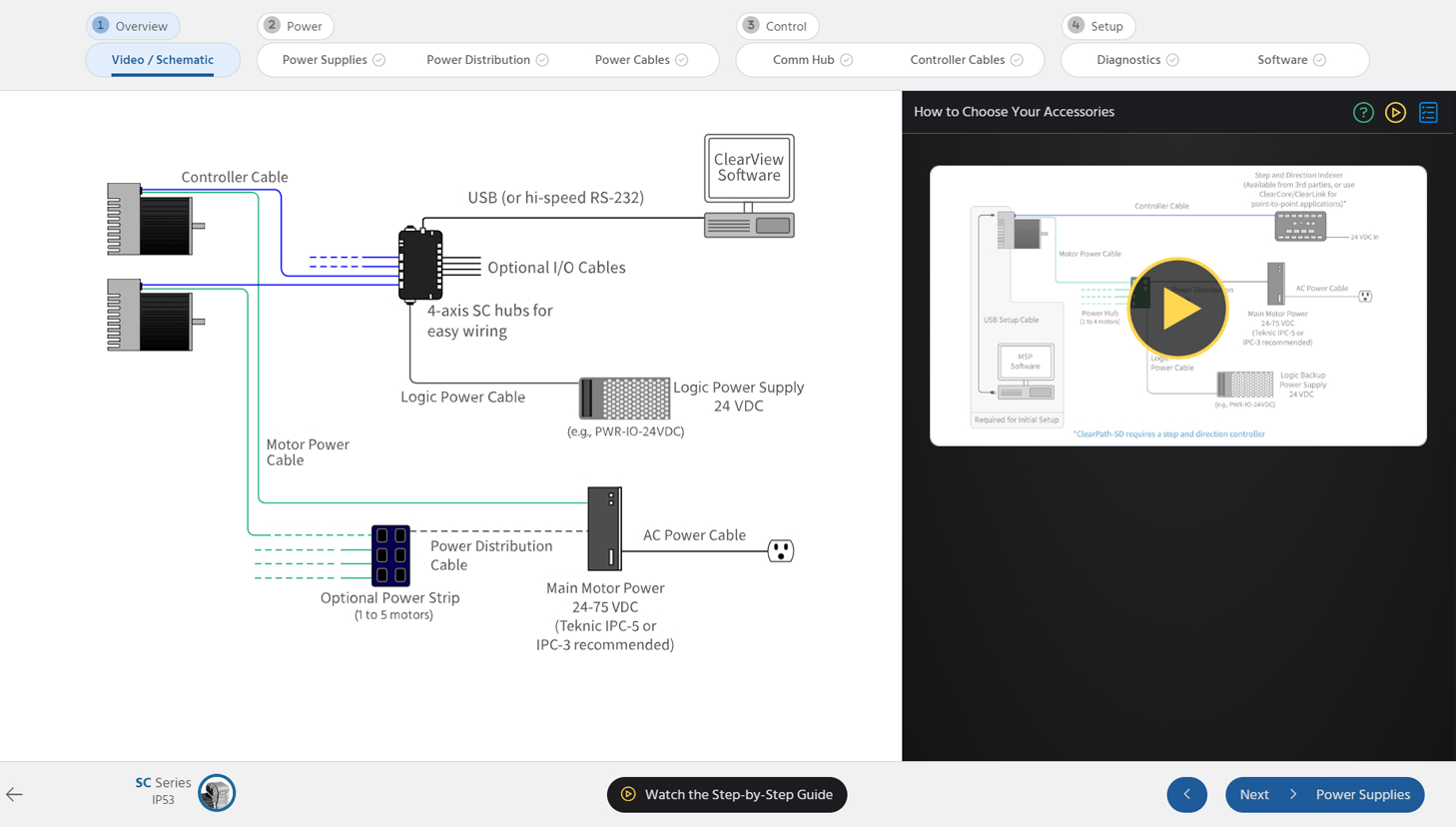
Accessories Guide
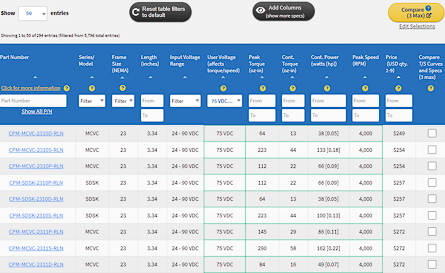
Motor Specs
Index: All Motors/Accessories
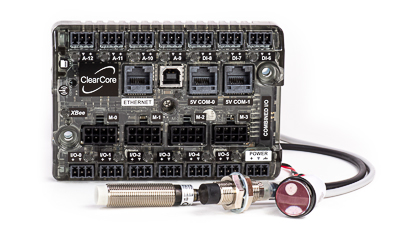
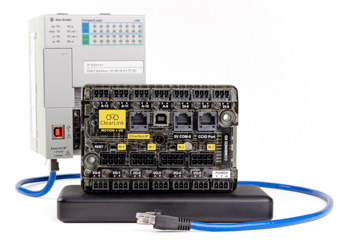
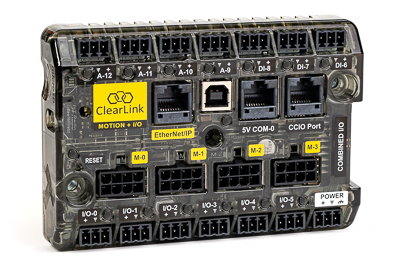
ClearCore I/O & Motion Controller
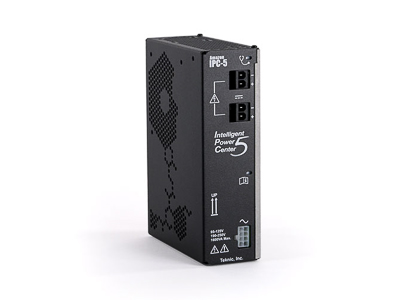
IPC DC Power Supplies
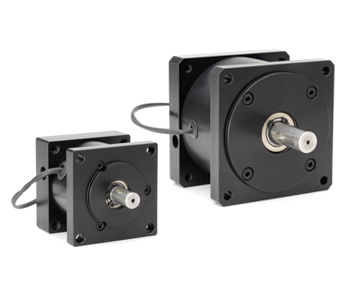
Hudson BLDC Servo Motors
Meridian Integrated Controllers
Eclipse Digital Servo Drives
Motor Brakes
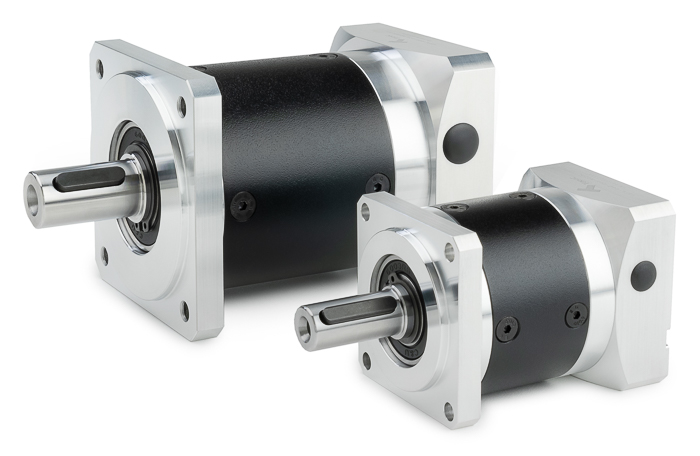
Planetary Gearboxes
Other Products