












Teknic homepage

Eliminating Conveyor Motor Failures in High-Friction Packaging Automation

No person or company received any form of compensation for their feedback on Teknic products.

Continuous-duty production environments routinely test the mechanical limits of motion control components, particularly in applications involving high radial loads and sustained friction. At Inteplast Group, plant automation relies on robotic cells to pack heavy plastic rolls into boxes. The internal roller conveyors feeding these packaging cells are necessary for maintaining facility output, but the original machine design presented mechanical challenges that disrupted continuous operation.

The Cost of Mechanical Drag

The robotic packaging cells utilized a series of roller conveyors initially driven by conventional pancake-style stepper motors. The physical architecture of the system inherently placed elevated strain on the drive components.

"They have these pancake motors that have a four-inch shaft, and then you have these rubber bands mounted on a roller on this long shaft," explains Leonardo Plotini, System Integrator at Inteplast. "You're adding so much friction and drag on the motor, so bearings fail, and the motors cook up."

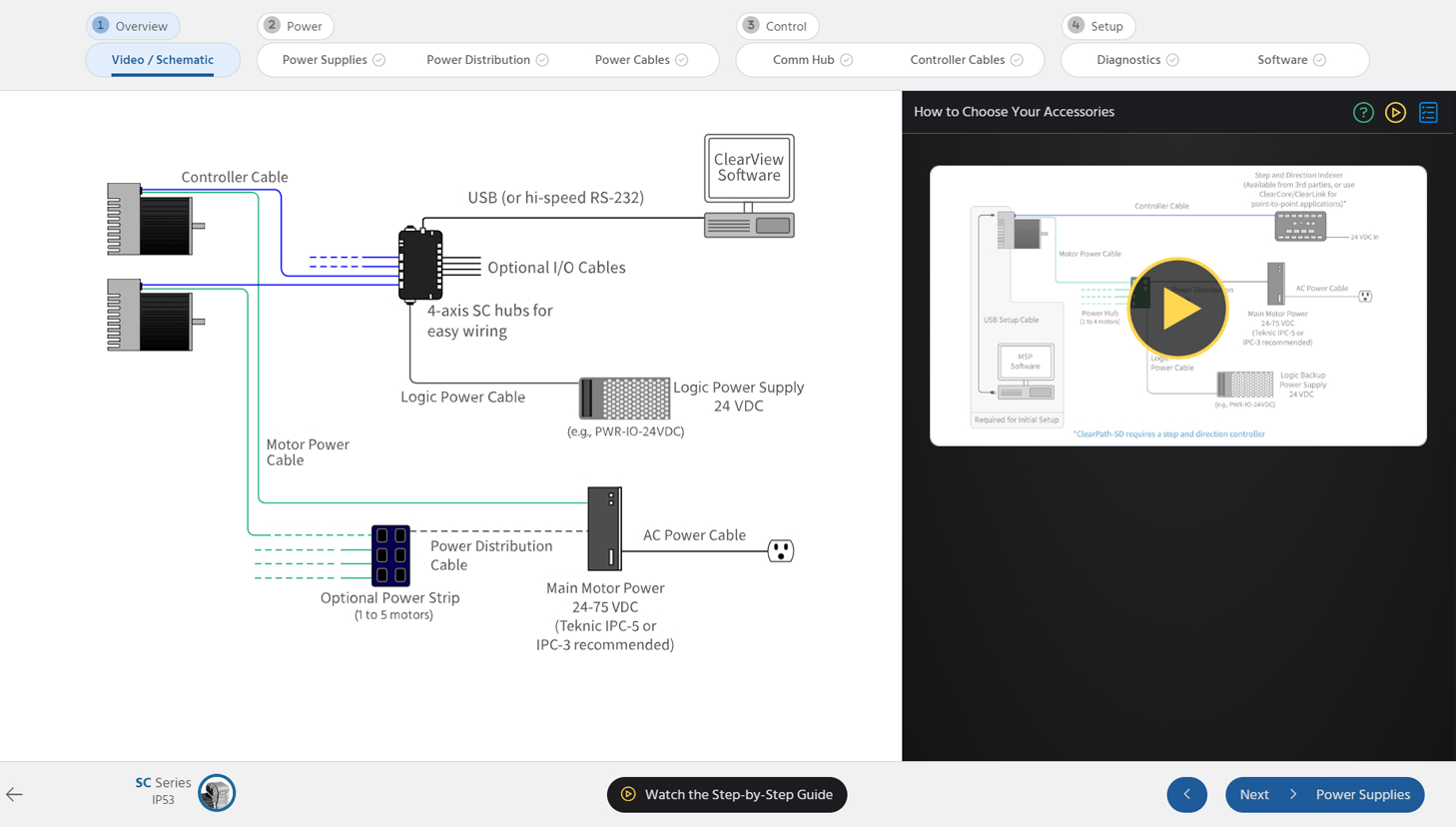
When the bearings and coils weakened, the steppers would stall, halting production and requiring replacements. The engineering team needed a more robust solution, but retrofitting a traditional panel-mount servo system introduced integration constraints. Implementing conventional servos requires "an external amplifier, then I need cables, then I need everything," Leonardo notes. These added components made multi-piece servos costly and difficult to fit into the existing machine footprint.

"I mounted four [ClearPath systems] on two roller conveyors that run 24/7, 365, and they've been running ever since. They're still running as we speak."
Leonardo Plotini
Leonardo Plotini
System Integrator, Inteplast

Consolidating the Architecture

Seeking a durable alternative that minimized cabinet space, Leonardo evaluated various integrated motor designs. Early testing with other brands proved challenging; some options were cost-prohibitive, while alternative all-in-one models experienced connection failures.

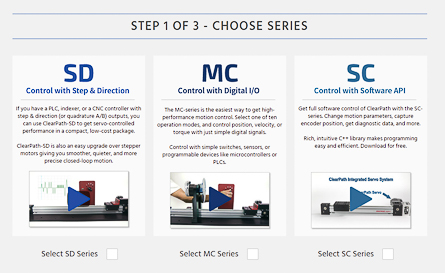
While researching schematics, he discovered Teknic's ClearPath-MC integrated servo motors. "I said, ‘Hey, let me look at these,’" Leonardo recalls. "And I thought, ‘Oh, these look a lot more robust.’"

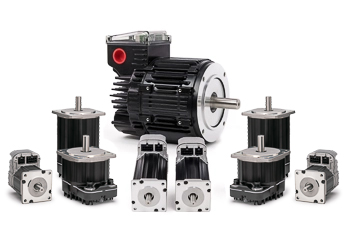
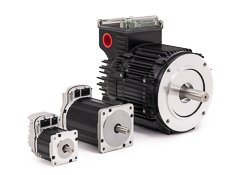
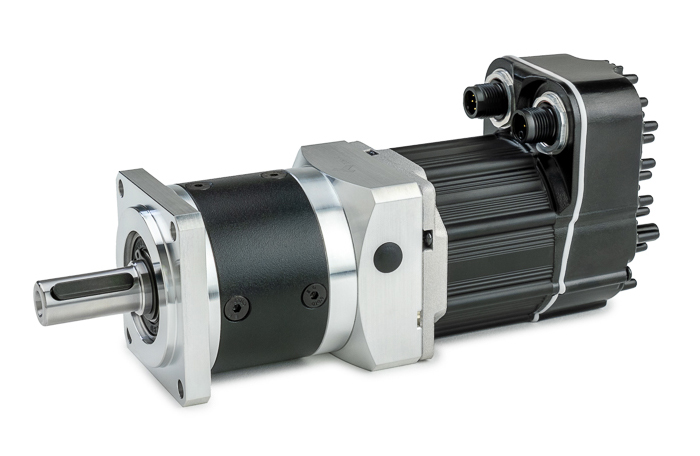
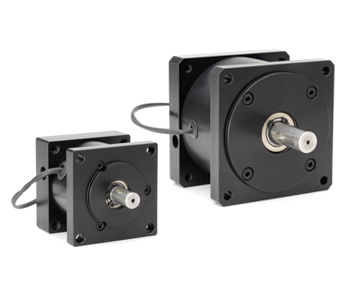
The ClearPath-MC series combines a brushless servo motor, a high-resolution encoder, a servo drive, and motion controller into a single unit. This architecture directly addressed the integration constraints by eliminating the need for external drives and complex cabling.

"I don't need an amplifier. I have everything built in," Leonardo adds. "It's a one-time install and you're done. Even if you have to change it, it's very easy to change."

Beyond simplified wiring, ClearPath motors are built to industrial servo standards, featuring bearings and shaft designs capable of handling high radial and axial loads. After experiencing issues with the fragile connections and bearings of previous motors, this mechanical durability drove the final decision.

Years of Continuous Uptime

In 2016, Inteplast retrofitted a robotic cell by mounting four ClearPath-MC motors onto two heavy-duty roller conveyors.

"I mounted four [ClearPath systems] on two roller conveyors that run 24/7, 365, and they've been running ever since," Leonardo states. "They're still running as we speak."

Years after that initial installation, those original motors continue to operate. Because the ClearPath systems proved reliable on the high-friction lines, Inteplast is standardizing on Teknic technology for upcoming facility upgrades, including industrial butterfly valves for dynamic air-flow regulation.

"I don't need an amplifier. I have everything built in. It's a one-time install and you're done. Even if you have to change it, it's very easy to change."
Leonardo Plotini
Leonardo Plotini
System Integrator, Inteplast

Key Outcomes

  • Eliminated mechanical bearing failures and motor stalls caused by high-friction conveyor loads.
  • Maintained continuous 24/7 operation since 2016 with zero motor replacements on the retrofitted line.
  • Avoided the extra costs, complex cabling, and cabinet space requirements of traditional panel-mount servos.
  • Simplified long-term maintenance using a mechanically rugged, all-in-one integrated architecture.
Explore Teknic Products
Learn more about Teknic's industrial motion control products. Easily access 2D and 3D part drawings, manuals, software downloads, pricing, and specifications.
Learn More
Speak with an engineer
To speak directly with one of Teknic's experienced factory-direct engineers, fill out the brief contact form linked below and we will contact you soon.
Contact Teknic
Share / Save Cart